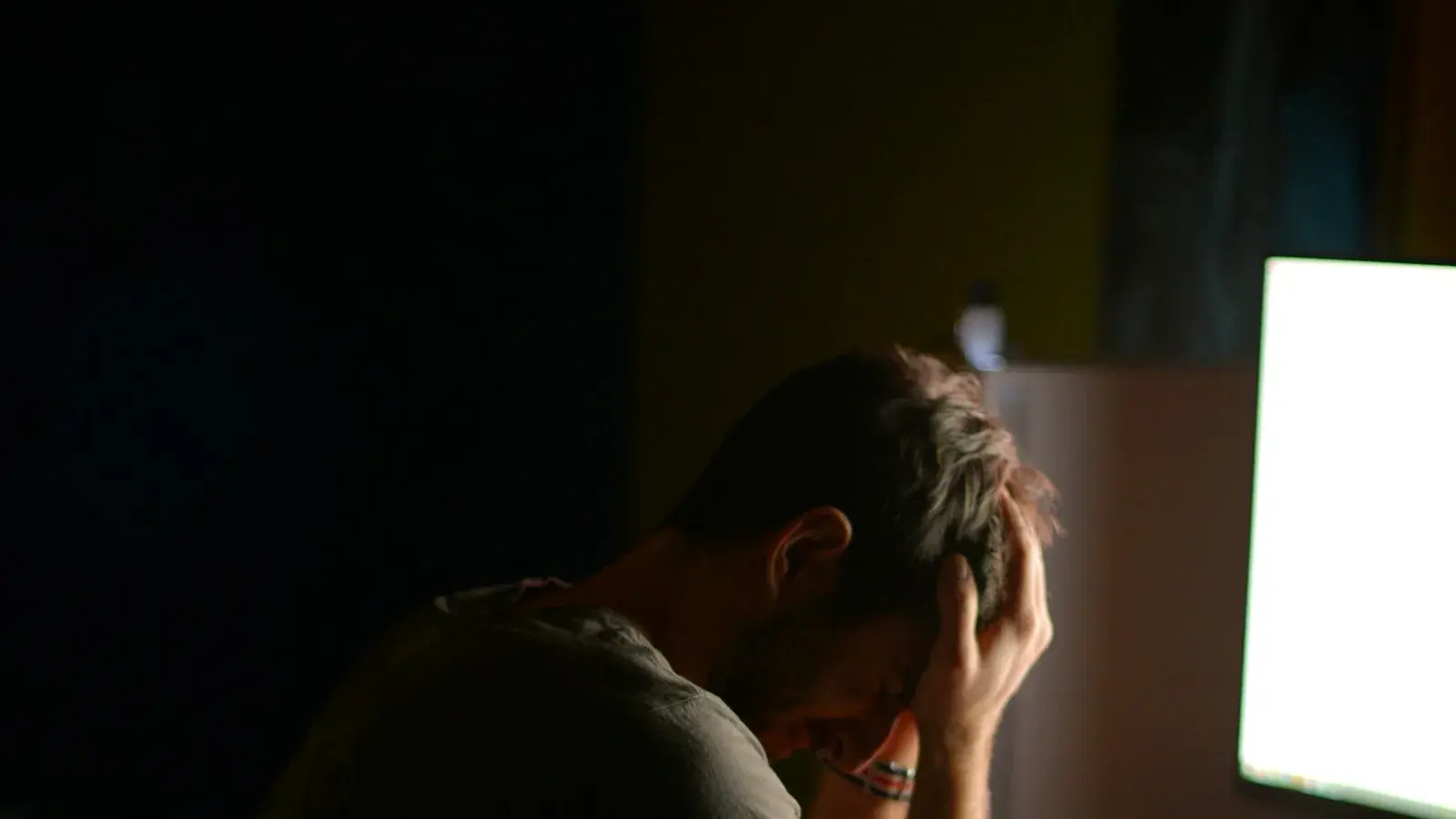
You breathe between 22,000 and 25,000 times a day. It is the thing you do more than anything else — and almost never notice, least of all when you are doing it wrong.
“Mail disorder” — holding your breath at the screen
Whenever attention sharpens — reading an email, staring at a screen — a lot of people stop breathing without realising it.
It is common enough among office workers in the United States to have been given its own name. Repeated a few hundred times a day, it stops being a quirk.
The brain switches to protective mode
Constant breath-holding puts extra load on the heart. The brain reads that as a threat signal and moves the body into a protective state.
In that state you cannot hold attention for long, you tire quickly, and decisions come slower. When work will not come together, the reason is more often breathing than willpower.
Daytime habits decide how you breathe at night
Someone who spends all day mouth-breathing and holding their breath does not suddenly start breathing well once they fall asleep. Snoring, obstructed breathing and poor sleep begin here.
So we fix sleep problems from the daytime, not from the night. Without changing the daytime habit, the night cannot be corrected.
Where to start
The first step is noticing. Put a note on your monitor, and each time you see it check your breathing — is your mouth closed, are you holding it, are your shoulders tight?
Nine minutes of rhythmic breathing between tasks changes how the rest of the day feels. You can do it sitting at your desk.